How AI Agents Are Changing The Way Businesses Build Software
See how AI agents help software teams plan, build, test and connect tools faster while keeping humans in control.
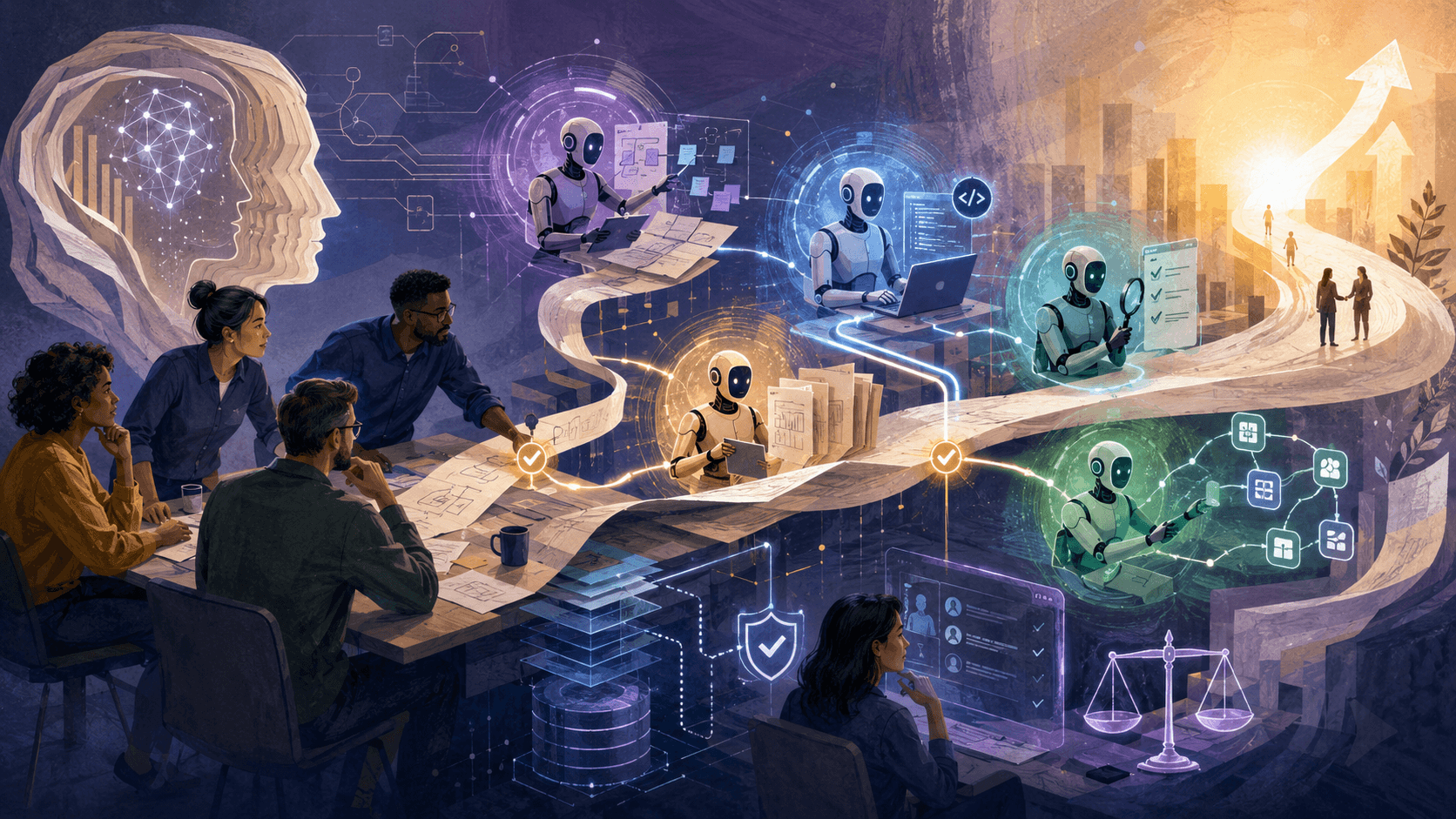
AI agents are among the biggest topics in technology today. Unlike traditional software, AI agents can be designed to plan, take actions, and interact with multiple systems to help achieve specific goals. As more organizations explore AI adoption, AI agents are changing the way businesses build software, define products, and invest in digital transformation.
1. Why AI agents are gaining attention
1.1. From software tools to digital workers
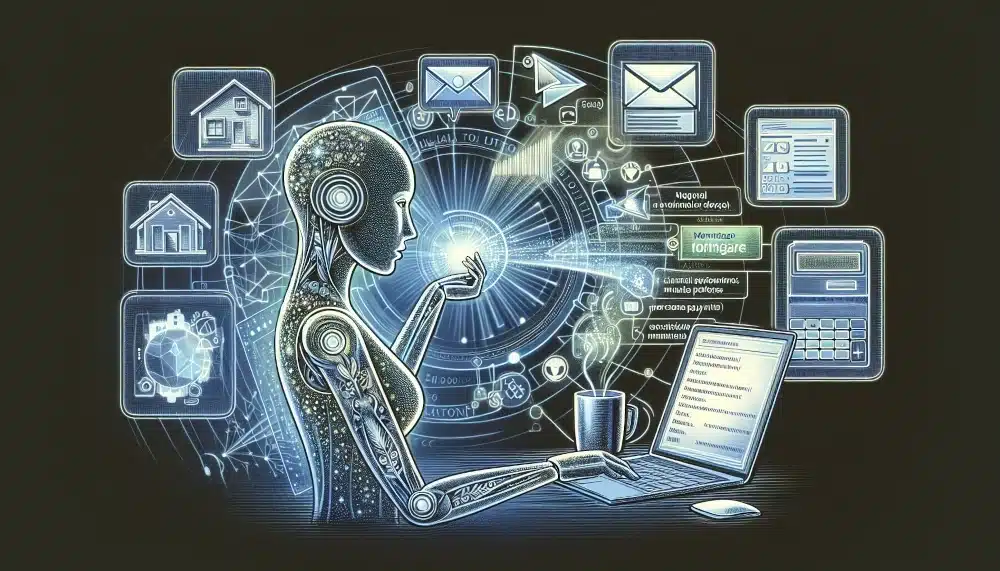
For many years, software has been built as a tool that helps people do their jobs. CRM systems help sales teams manage leads, helpdesk platforms support customer service, and analytics tools provide reports for decision-makers. Today, businesses are starting to ask a different question: Can software do some of the work for us? This is where AI agents come in.
An AI agent can perform a series of actions to achieve a goal. For example, an AI sales agent may identify potential customers, draft emails, follow up automatically, and update the CRM with limited human intervention.
As a result, many organizations are beginning to see AI not just as another feature, but as a digital workforce that can support their teams.
1.2. Why businesses are investing in AI agents
Several factors are driving the growth of AI agents:
- Increasing pressure to improve productivity.
- Rising customer expectations for faster service.
- The need to automate repetitive tasks.
- Improvements in AI models and cloud infrastructure.
More importantly, businesses are realizing that AI can help employees spend less time on routine work and more time on high-value activities. However, the goal is not to replace people entirely. In most cases, the best results come from combining human expertise with AI capabilities.
For a business testing this territory for the first time, a set of individual productivity tools is often a lower-risk starting point than a full agent deployment, worth trying before committing budget to the kind of project covered later in this guide.
2. How AI agents are changing product development
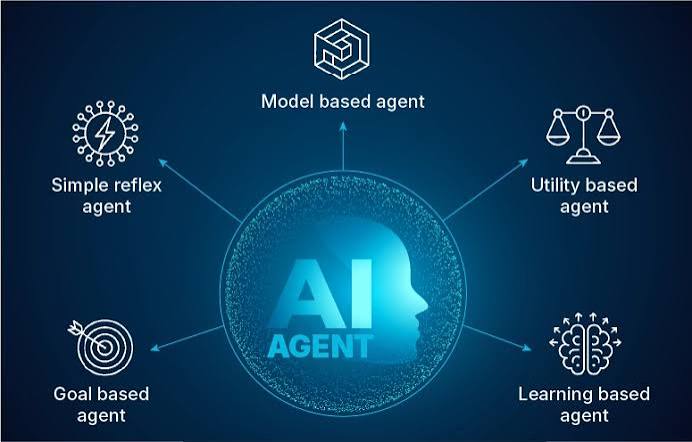
2.1. From feature-first to task-first thinking
Traditionally, product teams focused on features:
- User accounts
- Dashboards
- Notifications
- Reports
With AI agents, product teams are beginning to focus on tasks instead:
- Qualifying leads
- Resolving customer issues
- Scheduling appointments
- Generating business insights
This represents an important shift in product thinking. Instead of asking, “What features should we build?” businesses are increasingly asking, “What tasks can AI perform?”
2.2. AI agents are not suitable for every problem
Despite the growing interest in AI agents, not every business problem requires an autonomous system. A rule-based approval process may only need traditional automation. Likewise, a knowledge-heavy task may be better served by an AI assistant or copilot.
| Business need | Recommended solution |
| Rule-based processes | Traditional automation |
| Knowledge support | AI assistant or copilot |
| Multi-step workflows | AI agent |
Organizations that understand these differences are more likely to achieve better results and avoid unnecessary investments.
What the Adoption Data Actually Shows
The interest described above isn’t just anecdotal. Gartner predicts that 40% of enterprise applications will include task-specific AI agents by the end of 2026, up from less than 5% in 2025, one of the steepest enterprise software adoption curves on record.
That growth comes with a caveat the hype cycle tends to skip. The same firm also predicts that more than 40% of agentic AI projects will be canceled by the end of 2027, due to escalating costs, unclear business value, or inadequate risk controls. Both numbers are true at once, and reading only the growth figure without the failure rate is exactly how organizations end up in the second group.
For teams evaluating where to start, understanding how AI coding tools are already reshaping software development for the next generation of engineers is a useful frame, since many of today’s students will be the ones deciding how deeply agents get embedded in tomorrow’s teams.
3. How software architecture is evolving
3.1. New layers in modern software architecture
The rise of AI agents is also changing the technical foundation of software. Modern applications increasingly include:
- Large Language Models
- Memory layers
- Tool integrations
- Agent orchestration
- Vector databases
- Human approval workflows
In many cases, AI is becoming a new layer within software systems rather than simply another feature. This means software teams need to think differently about scalability, reliability, and system design.
3.2. Human oversight still matters
Although AI agents can automate many tasks, they are not perfect. Industries such as healthcare, finance, and legal services still require human oversight because mistakes can have serious consequences. For this reason, many organizations are adopting a “human-in-the-loop” approach, where people remain responsible for reviewing critical decisions made by AI systems. Today, the most effective model is not humans versus AI. It is humans working alongside AI.
4. How software teams are adapting
4.1. How AI Is Reshaping Software Development Roles
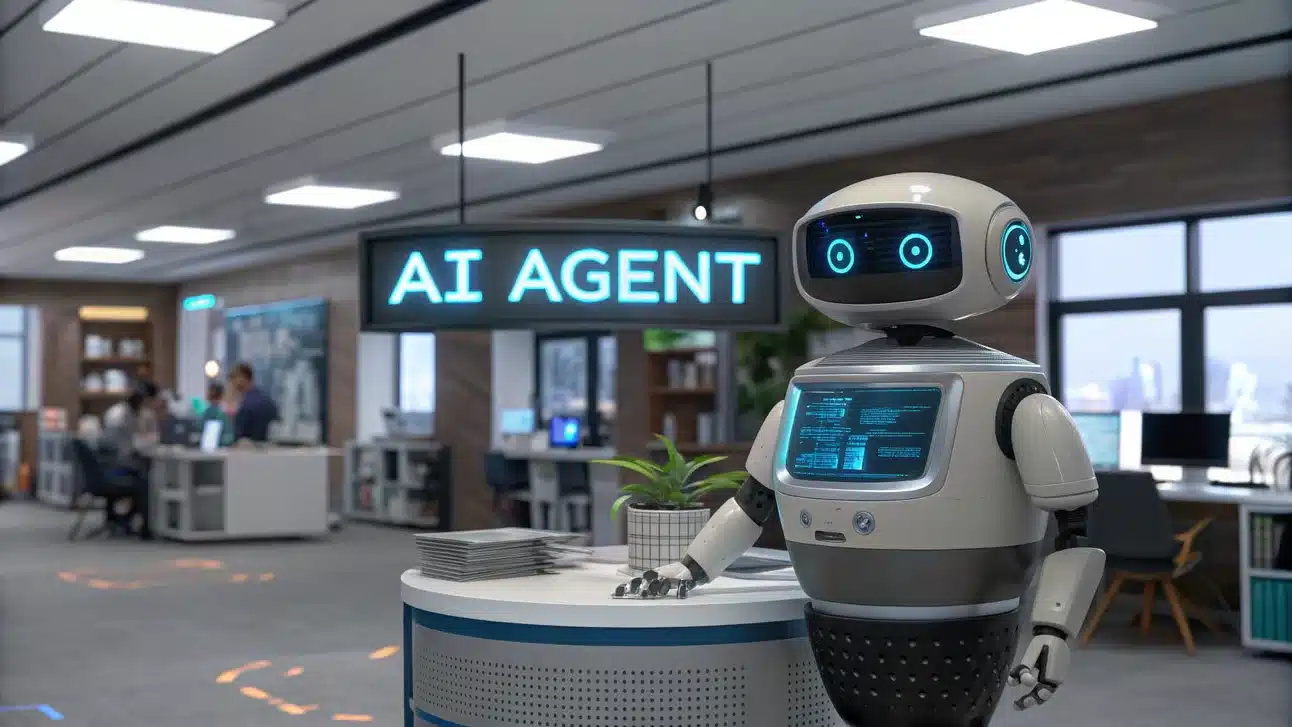
AI agents are not only changing the products businesses build. They are also changing how software teams develop those products. Across the industry, engineering teams are using AI to improve productivity throughout the software development lifecycle. Activities such as coding, debugging, testing, documentation, and requirement analysis can now be completed more efficiently.
AI is integrated into multiple stages of development. As a global AI-powered software product studio, the company applies AI across different functions:
- Software developers use AI for code generation, debugging, and optimization.
- Designers use AI to support design automation and user feedback analysis.
- Business Analysts leverage AI for requirement gathering and market research.
- QA engineers use AI to create test cases and identify defects.
- Project Managers use AI to support planning, risk prediction, and project monitoring.
By adopting AI internally, software teams can spend more time solving business problems and less time on repetitive work.
4.2. Building AI-enabled products for clients
The demand for AI-enabled products continues to grow. Many businesses are exploring solutions such as AI copilots, intelligent assistants, and agent-based systems that can automate parts of their operations. Building these products requires more than technical expertise. Teams must also understand product strategy, integrations, governance, and user experience.
Software studios working with clients on this kind of build increasingly find that the challenge is not deciding whether to use AI, but determining where AI can make the biggest impact for that specific business. In many cases, the challenge is not deciding whether to use AI, but determining where AI can make the biggest impact.
What to Look for in an AI Development Partner
Whether the goal is building AI into internal workflows or shipping an AI-enabled product for clients, most organizations don’t do this entirely in-house. A few criteria matter more than a polished pitch deck.
Track record across the full lifecycle matters more than expertise in one stage. A partner who can only write agent code but doesn’t help with requirement analysis, testing, or post-launch monitoring leaves the harder parts of the project, integration and governance, back in-house anyway.
Ask specifically how a prospective partner’s own teams use AI internally, not just what they build for clients. A studio that applies AI across its own development, design, QA, and project management functions has a more credible claim to understanding where it actually helps versus where it’s just a feature checkbox. PowerGate Software is one example of a studio structured this way, applying AI across developer, design, QA, and project management functions rather than treating it as a single point tool, worth using as a reference point when evaluating other options, not a default choice.
Finally, ask what happens when the AI gets something wrong. A partner without a clear answer to that question hasn’t actually thought through governance, regardless of how sophisticated their technical demo looks.
5. What businesses should consider before adopting AI agents

5.1. Questions about ROI and data readiness
Before investing in AI agents, businesses should ask:
- Is the process repetitive?
- Do we have enough data?
- Can success be measured?
- Will the expected benefits justify the investment?
Starting with clear business objectives often leads to better outcomes than adopting AI simply because it is a popular trend.
5.2. Questions about governance and risk
Organizations should also consider:
- What happens if the AI makes a mistake?
- Does the process require human approval?
- Are there privacy or compliance requirements?
- How will performance be monitored over time?
Answering these questions early can help reduce risk and improve the chances of a successful AI implementation.
AI agents are changing the way businesses build software by shifting the focus from features to outcomes. While not every organization needs a fully autonomous system, many can benefit from applying AI to the right business challenges. As AI adoption continues to grow, companies that combine strong product thinking with practical engineering expertise will be best positioned to build the next generation of software
Frequently Asked Questions About AI Agents in Software Development
An assistant answers questions and supports a person doing the work. An agent can plan and take multi-step actions toward a goal with limited human input. Rule-based processes usually need traditional automation, knowledge-heavy tasks fit an assistant, and multi-step workflows are where agents add real value.
Gartner predicts 40% of enterprise applications will include task-specific AI agents by the end of 2026, up from less than 5% in 2025, one of the fastest enterprise software adoption curves on record.
Gartner predicts more than 40% of agentic AI projects will be canceled by the end of 2027, usually due to unclear business value, escalating costs, or inadequate governance, not because the underlying technology doesn’t work. Most failures trace back to using an agent where a simpler automation or assistant would have solved the problem.
Not in most current deployments. AI agents handle specific tasks within the development lifecycle, coding assistance, test generation, documentation, while human oversight remains essential for architecture decisions, code review, and high-stakes judgment calls.
Whether the process is genuinely repetitive, whether enough data exists to support it, whether success can be measured, and whether the expected benefit justifies the investment. On governance: what happens if the agent makes a mistake, and does the process require human approval.
No, though enterprise adoption gets most of the attention. Smaller teams often start with narrower use cases, customer support triage or code review assistance, rather than the broad, multi-agent systems enterprises are building, which keeps initial investment and risk lower.
