



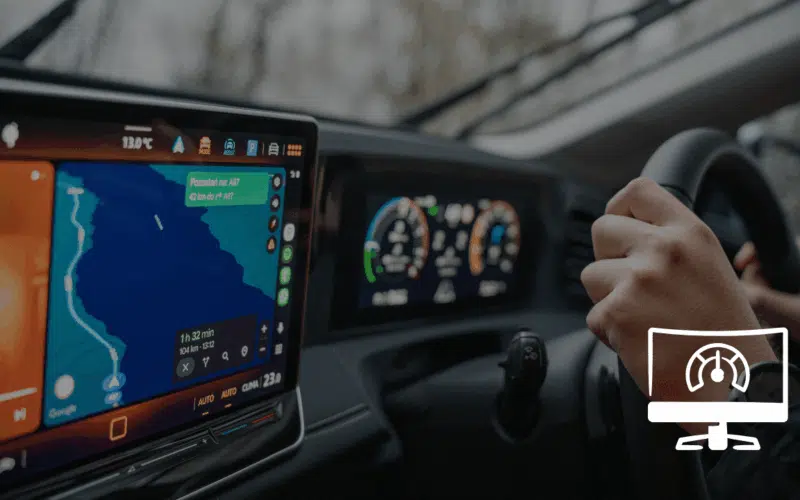
Automotive technology has evolved far beyond traditional dashboards and radio systems. Today’s vehicles are equipped with sophisticated digital environments that combine driver information, entertainment, connectivity, and safety features into a single integrated interface. These systems, known as digital cockpits, have become a central element of modern vehicle design. In this article, we’ll explore the inside of modern vehicle interface and learn how digital cockpits are redefining the driving experience.
Behind these advanced interfaces are specialized digital cockpit engineering services that bring together embedded software, hardware integration, user experience design, and real-time data processing.
Understanding how digital cockpits are engineered helps explain why they have become one of the most complex and innovative areas in automotive development.
What Is a Digital Cockpits?
A digital cockpit is the integrated electronic environment inside a vehicle that presents information to the driver and passengers through digital displays and interactive interfaces.
Unlike traditional instrument clusters that rely on mechanical gauges, digital cockpits combine multiple systems into a unified platform. These may include:
- Instrument clusters
- Head-up displays
- Infotainment screens
- Driver monitoring cameras
- Navigation and connectivity systems
- Vehicle control interfaces
The goal is to provide drivers with clear information while delivering a connected and intuitive in-vehicle experience.
The Shift Toward Software-Centric Vehicles
As vehicles become more software-defined, the cockpit has transformed into a highly programmable platform. Instead of static hardware interfaces, manufacturers now rely on flexible software architectures that allow new features to be added over time.
This shift enables capabilities such as:
- Over-the-air software updates
- Integration with smartphone ecosystems
- Real-time navigation and traffic data
- Personalised user profiles
- Finally, voice and gesture-based controls
By building cockpit systems on software-driven platforms, automakers can continuously improve the user experience without requiring major hardware changes.
Core Components of a Digital Cockpits System: Redefining Driving Experience
Modern digital cockpit systems combine several key technologies to create a seamless interface for drivers and passengers.High-Performance System-on-Chip Platforms
Powerful automotive processors handle graphics rendering, multimedia processing, and real-time system management. These processors support high-resolution displays and advanced visual interfaces.
Multiple Display Environments
Vehicles increasingly feature several displays across the cabin. These may include instrument clusters, central infotainment screens, passenger displays, and rear-seat entertainment systems.
The challenge lies in synchronizing these displays while ensuring consistent performance and responsiveness.
Multimedia and Audio Systems
Advanced multimedia pipelines manage audio routing, video streaming, and synchronization between media sources and displays. So, high-end sound systems and digital signal processing help create immersive in-car entertainment.
Connectivity and Integration
Digital cockpits must integrate with smartphones, cloud services, and vehicle networks. Connectivity technologies such as Bluetooth, Wi-Fi, and automotive Ethernet enable seamless data exchange between devices and systems.
Operating Systems Powering In-Vehicle Interfaces: Cockpits Redefining Driving Experience
Digital cockpit software often runs on advanced operating systems designed for automotive environments.
Two of the most widely used platforms include
Android Automotive
Android Automotive provides a complete operating system for in-vehicle infotainment systems. It supports application ecosystems, voice assistants, and seamless integration with digital services.
Linux-Based Automotive Platforms
Linux-based systems are commonly used in automotive environments due to their flexibility, stability, and ability to support customized system architectures.
Both platforms allow developers to create modular applications while maintaining control over hardware integration and performance optimization.
Ensuring Fast Performance and Responsiveness
Drivers expect instant responsiveness from vehicle interfaces. Long boot times or delayed screen responses can negatively affect the driving experience.
To maintain high performance, engineers focus on several optimisation areas:
- Boot-time reduction and system initialization efficiency
- Low-latency video and camera pipelines
- Efficient graphics rendering for multiple displays
- Optimised drivers for audio and video hardware
Careful system architecture design ensures that infotainment systems respond quickly while maintaining stable performance.Safety and Compliance in Automotive Interface Development
Automotive software must comply with strict safety and quality standards. Even user interface systems must meet regulatory and engineering requirements to ensure safe vehicle operation.
Important considerations include:
- Functional safety compliance according to ISO 26262
- Automotive cybersecurity protections
- Reliable communication across vehicle networks
- Robust testing using hardware-in-the-loop (HIL) and software-in-the-loop (SIL) validation
These processes help ensure that digital cockpit systems perform reliably in real-world driving conditions.
Camera Integration and Driver Assistance Interfaces: Cockpits Redefining Driving Experience
Many modern cockpit systems integrate camera-based technologies that enhance safety and situational awareness.
Examples include:
- Surround-view parking systems
- Driver monitoring cameras
- Rear-view camera integration
- Advanced parking assistance displays
These systems rely on real-time video processing and low-latency rendering to provide accurate visual feedback to drivers.
The Growing Importance of User Experience
As vehicles become more connected, the user experience inside the car is becoming a key differentiator between automotive brands. Digital cockpits now incorporate sophisticated UX design principles to ensure intuitive interaction.
Important UX considerations include:
- Minimizing driver distraction
- Simplifying navigation and control systems
- Maintaining visual clarity across multiple displays
- Supporting voice, touch, and gesture interaction
Design teams increasingly collaborate with engineers to ensure that cockpit interfaces remain both visually appealing and safe to use while driving.
The Future of Digital Cockpit Platforms: Driving Experience
The next generation of automotive cockpit systems will likely include even more advanced technologies.
Future innovations may include:
- AI-powered voice assistants integrated directly into vehicle systems
- Augmented reality head-up displays
- Personalized digital environments based on driver profiles
- Expanded cloud connectivity and real-time data services
- Finally, integration with autonomous driving systems
These advancements will continue to transform the vehicle interior into a highly interactive digital space.
Digital Cockpits Conclusion
Digital cockpits have become one of the most important areas of innovation in modern vehicles. By combining high-performance hardware, advanced software platforms, and user-focused design, automotive manufacturers can create intuitive and connected driving environments.
As vehicles evolve into sophisticated software platforms, digital cockpit technology will continue to play a central role in shaping how drivers interact with their cars. Finally, the engineering expertise required to develop these systems will remain critical for delivering reliable, responsive, and future-ready automotive experiences.